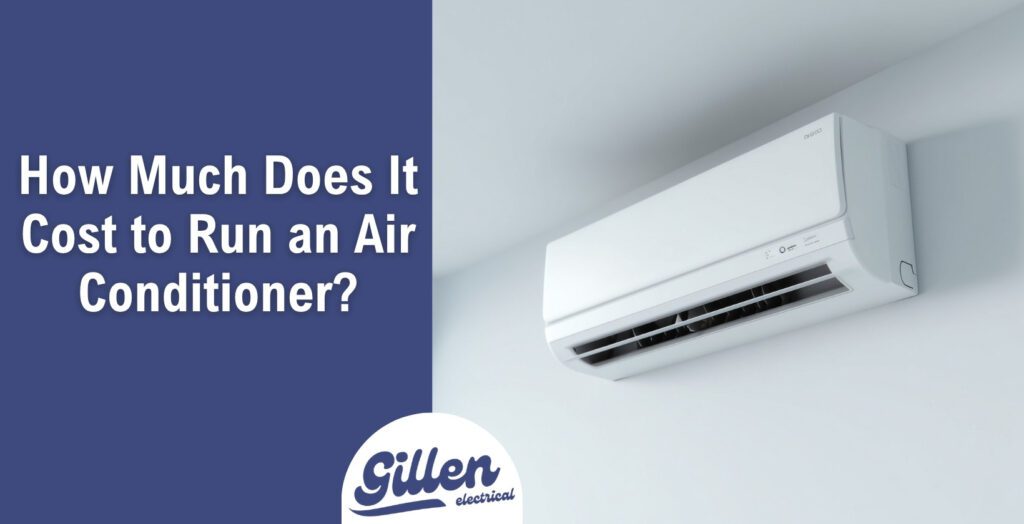
It costs 25 to 45 cents per hour to run a split system air conditioner in Melbourne, while ducted air conditioning systems range from $1.00 to $2.50 per hour. These figures are based on average Victorian electricity rates of 30c per kWh.
Air conditioner running costs change depending on usage habits, insulation, and the number of rooms cooled. Proper planning during ducted and split system air conditioning installation helps reduce long-term energy costs and improve efficiency.
This blog explains hourly air conditioner costs by system type, how usage affects your bill, and practical ways to improve air conditioning efficiency.
Portable vs Split vs Ducted Air Conditioning Cost Per Hour
Here are the costs per hour for portable, split, and ducted air conditioning systems:
| System Type | Average Cost Per Hour | Notes on Use Case |
|---|---|---|
| Portable Unit | $0.40 to $0.70 | Cheapest to buy but least efficient |
| Split System | $0.25 to $0.45 | Best for single rooms or small homes |
| Ducted System | $1.00 to $2.50 | Whole-house comfort with zoning options |
Split air conditioning systems remain the most efficient option for everyday use, while portable units are convenient but costly to run long term. Ducted air conditioning systems deliver whole-home comfort but use far more power per hour, which often leads to higher demand for air conditioning repairs if not serviced regularly.
How Usage Patterns Affect Your Bill
Usage patterns affect your bill by changing how much energy your air conditioner consumes each day. Even efficient air conditioning systems cost more when they are run longer or set at extreme temperatures.
- Running the air conditioning unit for 8 hours a day doubles your monthly electricity cost compared to 4 hours.
- Cooling empty rooms wastes power and adds unnecessary expense.
- Setting the AC thermostat too low during hot weather or too high during cold season increases system demand.
- Turning a split system air conditioner on and off repeatedly uses more power than keeping it steady at a moderate setting.
How Energy Ratings Affect Running Costs
Energy ratings show how much power an air conditioner uses to produce cooling or heating. Higher ratings mean lower operating costs over the life of the system.
A 2-star-rated AC unit consumes up to 30% more electricity than a 4-star model. Over ten years, this difference can add thousands of dollars to household bills.
Six-star air conditioning models are the most efficient, offering up to 40% savings compared to older, low-rated units. Choosing a high rating reduces not only running costs but also long-term environmental impact.
Smart Thermostat Savings and Automation
Smart thermostats help reduce air conditioning waste by adjusting temperature automatically. They learn your habits and optimise energy use without constant manual changes.
Most smart thermostat AC models allow control through smartphone apps, meaning you can turn systems on or off remotely. This prevents unnecessary use when you’re away from home.
Advanced features such as geofencing and scheduling ensure your home is comfortable only when needed. The result is lower energy bills and improved system efficiency without extra effort.
